The rich just keep getting richer. In Australia, the top 10% now control over 58% of national wealth, while the top 1% own almost half of the nation’s wealth.
The theory behind diversification makes intuitive sense to most investors: by combining assets that don’t move in perfect synchrony, investors can reduce portfolio volatility without necessarily sacrificing expected returns. This accepted truth reshaped portfolio construction in the twentieth century and continues to underpin institutional allocation frameworks today.
Investors have long watched oil prices as a gauge of global inflation, corporate profitability, geopolitical risk, and consumer spending. When it moves sharply in one direction, it’s arguably one of the most heeded signals in the market. When it spikes, the news headlines often predict equity market turmoil. When it collapses, they are more focused on the likelihood of a global recession.
There’s a particular kind of calm that comes from watching your portfolio during a violent market sell-off and feeling nothing. No urge to act. No creeping sense that something is broken. Just the knowledge that what you own was designed to survive moments like this.
The theory behind diversification makes intuitive sense to most investors: by combining assets that don’t move in perfect synchrony, investors can reduce portfolio volatility without necessarily sacrificing expected returns. This accepted truth reshaped portfolio construction in the twentieth century and continues to underpin institutional allocation frameworks today.
Investors have long watched oil prices as a gauge of global inflation, corporate profitability, geopolitical risk, and consumer spending. When it moves sharply in one direction, it’s arguably one of the most heeded signals in the market. When it spikes, the news headlines often predict equity market turmoil. When it collapses, they are more focused on the likelihood of a global recession.
There’s a particular kind of calm that comes from watching your portfolio during a violent market sell-off and feeling nothing. No urge to act. No creeping sense that something is broken. Just the knowledge that what you own was designed to survive moments like this.
It’s been a challenging year for most investors with sharply higher interest rates leading to significant underperformance in asset classes which used to be regarded as defensive such as government bonds. The rules of the game have been turned on their head.
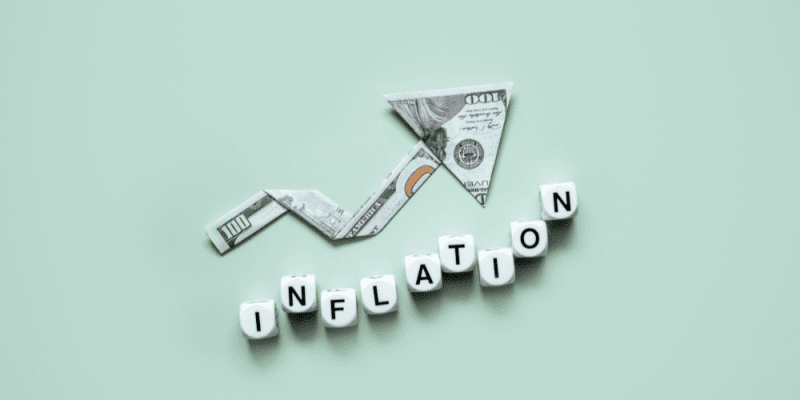
The recent Australian Consumer Sentiment Snapshot reveals Aussie consumers have one particular economic factor front of mind… inflation.
The inflation monster is impacting upon consumers’ disposable incomes, and more importantly it’s causing havoc in consumers’ minds where it’s doing most of its insidious work. It’s this growing awareness and fear of inflation which suggests we may be on track for inflation to trend higher than markets (and central bankers) currently believe. If that is indeed the case, the investment implications are significant…
Strange times are afoot in financial markets with contradictory assumptions being priced into various asset classes. Here’s a great summary of the confusion investors must contend with at present…
In the words of Charlie Munger, <i>‘If you're not a little confused about what's going on, you don't understand it.’
Most market experts believe equities are expensive right now while bonds are cheap. Despite this fundamental backdrop, the much talked about switch from equities to bonds hasn’t happened yet. During market extremities like this, it’s worth asking why fundamentals are being so ignored in favour of momentum.
You may have heard the classic joke about economists… Economists were created to make weather forecasters and astrologers feel better about the accuracy of their predictions.
US economists have certainly lived up to this stereotype of late. There’s rarely been a period when economists have been more wrong-footed by a strengthening economy.
The world of yield investing has been through a dramatic transformation in recent months as central bankers have raised rates at an unusually aggressive pace. Equity and bond markets have fast adapted to this new world order, but what happens if the current yield split between equities and bonds doesn’t apportion risk fairly?
Choosing what to invest in can be as difficult as maintaining a good diet.
We all know we should eat healthily, yet how exciting would life be if we were always munching down on a quinoa and kale salad, leaving no room for an expensive steak, or a bag of your favourite lollies? Likewise, reliable, lower-risk bonds generally won't keep you up at night with wild price swings, yet do they offer the necessary returns available in riskier and perhaps more exciting asset classes?
Commercial property has been a staple source of solid income returns and capital growth for decades, particularly in the unlisted world. However, a number of the strongest commercial property tailwinds have recently turned into headwinds, impacting upon the outlook for the various commercial property asset classes.
Should investors reduce their commercial property exposure, or are these headwinds a short term opportunity in the making?
The typical CEO is around 50 years of age, and stays in the position for an average of five years.
Then there’s Warren Buffett. Buffett will turn 93 this August, and he’s held the top job at Berkshire Hathaway for over half a century.
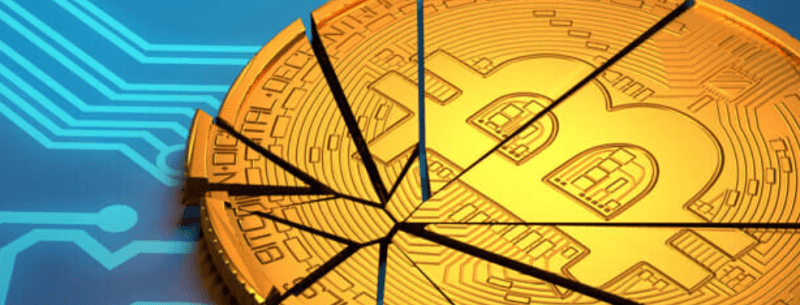
If we’re going to talk about cryptocurrencies, let’s start with how many of them exist.
And that’s not easy to answer. In the often murky world of digital assets, even establishing the number of currencies is problematic. Depending on the source, in June 2022, somewhere between 2,800 and 19,000 had been created.